Comprehensive|Eye Exam
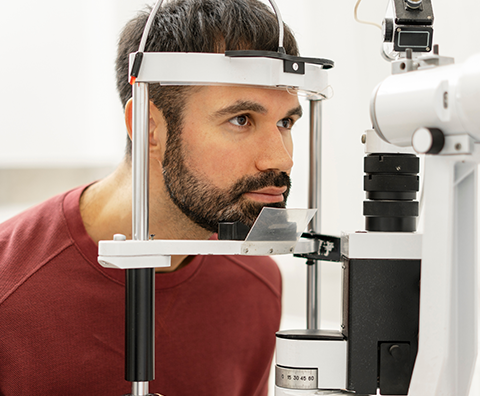
The comprehensive eye exam looks at your eye externally and internally for any signs of eye disease, then tests your vision in a variety of ways.
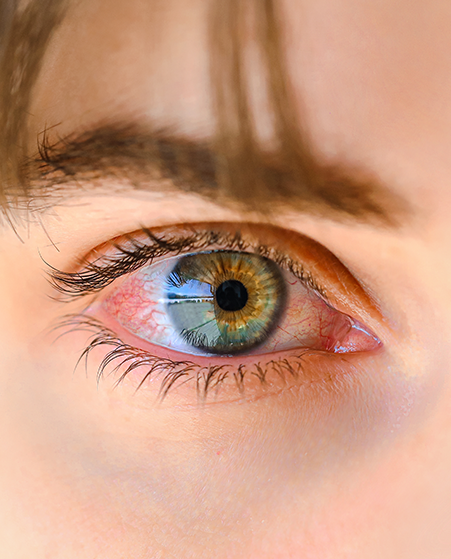
Eye|Emergencies
Eye emergencies cover a range of incidents and conditions such as trauma, cuts, scratches, foreign objects in the eye, burns, chemical exposure, photic retinopathy, and blunt injuries to the eye or eyelid.
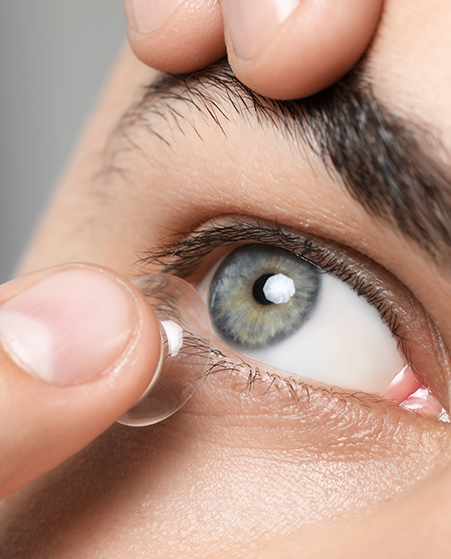
Contact Lens|Exam
If you’ve never worn contact lenses before, it can seem a bit intimidating. After all, you’re inserting something into your eye! Let’s ease your mind about the first step – your contact lens exam. This post will walk you through what’s involved in a contact lens.
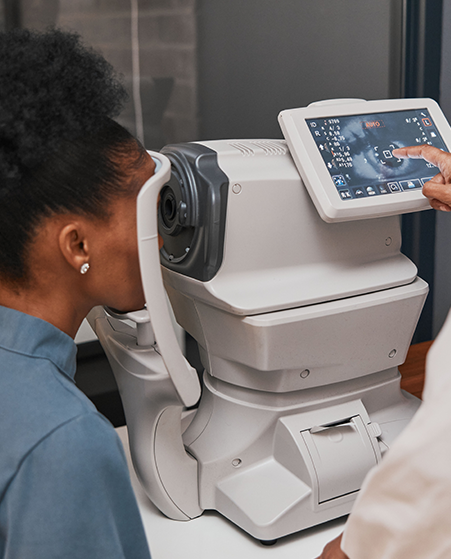
Diabetic Related|Eye Exams
Regular diabetic-related eye exams will enable your eye doctor to monitor your condition and ensure that any signs of diabetic retinopathy are detected and acted upon immediately.
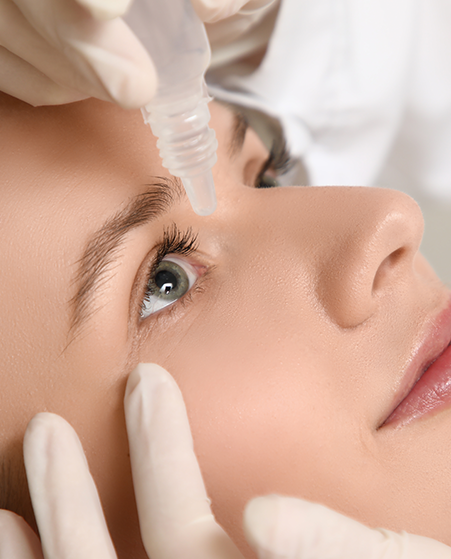
Dry Eye|Treatment
Understanding dry eye will help you determine the best treatment option. Dry eye occurs when a person doesn't have enough quality tears to lubricate and nourish the eye.

Cataract|Treatment
If you’ve been diagnosed with cataracts, you may wonder if cataract surgery is right around the corner. Not to worry. There are many preventive steps you can take to slow the progression of cataracts and preserve your vision.
Eye Disease|Treatment
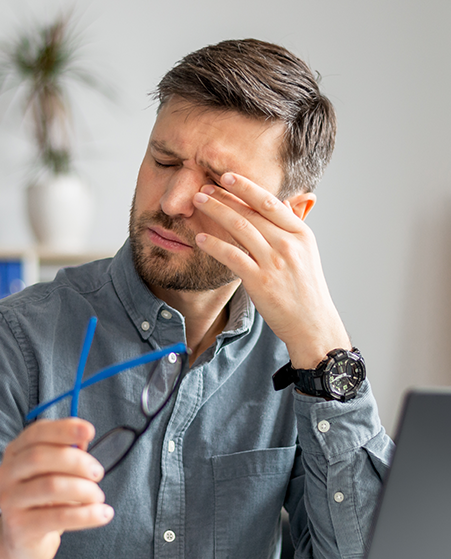
For common types of ocular diseases, it’s important to have your vision checked. If an ocular disease is diagnosed, your optometrist will be able to determine the best treatment plan for optimal eye health and vision.
Glaucoma|Treatment
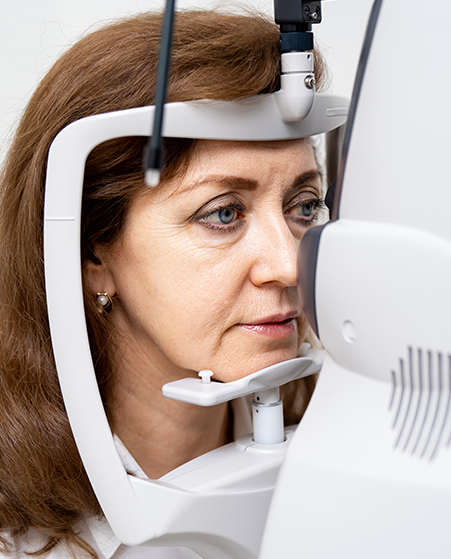
If you’ve been diagnosed with glaucoma, you’re probably already familiar with the typical options in glaucoma treatment – eye drops, laser treatment, or traditional surgery. While these are certainly effective, especially when glaucoma is diagnosed early, researchers have been working hard to offer new glaucoma treatments.
Macular|Degeneration
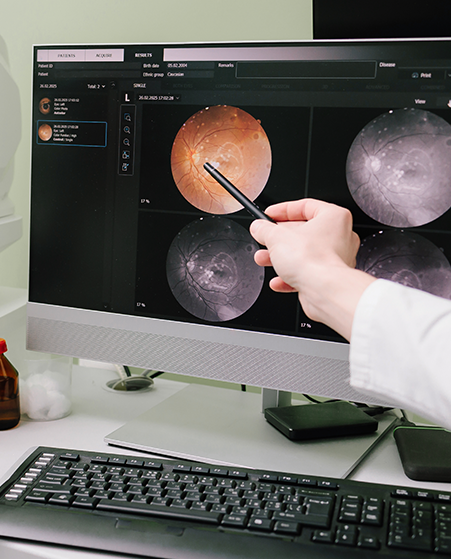
Macular degeneration, commonly referred to as age-related macular degeneration (AMD), is the single largest cause of sight loss in the developed world and affects more than 10 million Americans. It usually affects people over the age of 60, but it has been known to affect those who are younger.

Myopia|Management
Myopia can affect your child’s ability to perform well in school, sports, performing arts, and other activities that require clear vision. Controlling myopia progression will free them up to be at their best.
Scleral|Lenses
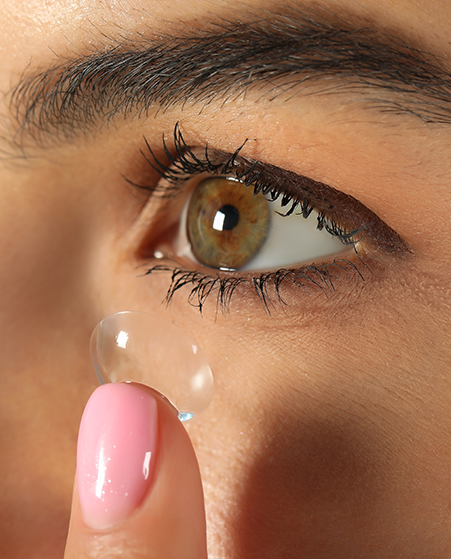
Scleral contact lenses get their name from the fact that, unlike regular contacts, they vault over the entire corneal surface and rest on the white part of the eye, which is called the sclera.
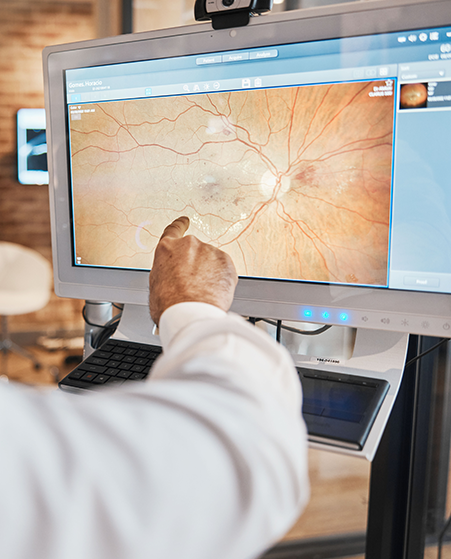
Retinal Imaging|Testing
By examining the retina, which is the thin layer of tissue at the back of your eye responsible for capturing light and transmitting visual signals to the brain, optometrists can gain valuable insights into your eye health.
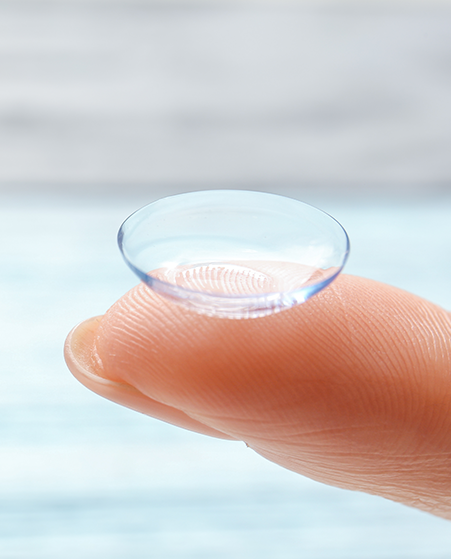
MiSight
Over the years, contact lenses have evolved. A new product called MiSight is giving children a new and improved option. MiSight lenses effectively treat myopia, otherwise known as nearsightedness.






© All rights Reserved
Accessibility Statement - Privacy Policy - Sitemap
Managed and Designed by